Speech Sound Gestures: Hand Cues for Speech Sounds in Children
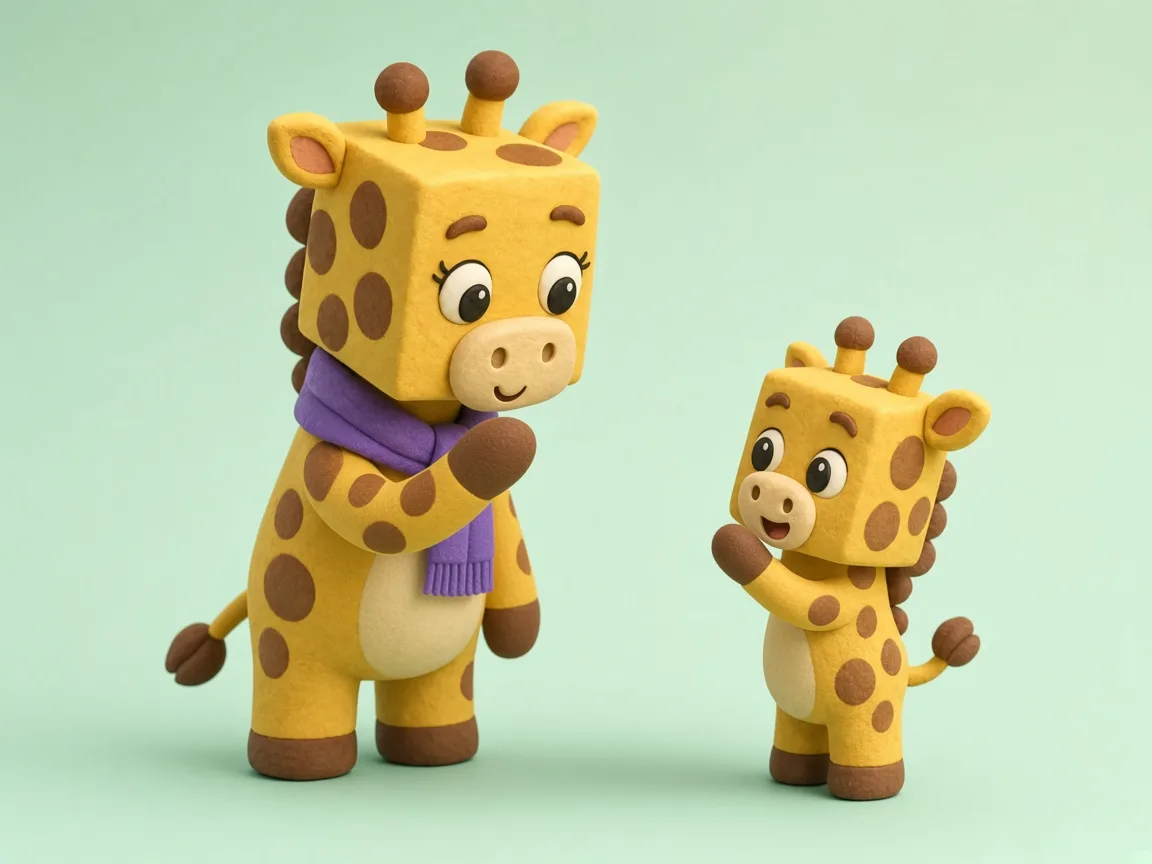
A speech therapist lifts a hand to the throat, holds a finger near the lips or taps the chest. These are examples of speech sound gestures: hand cues that go with a speech sound. Parents see them in therapy and wonder what they do and whether they can join in at home. This article explains it without big claims. Gestures are a support that a speech therapist can choose. LogiLand is practice software and does not replace a speech therapist.
What are speech sound gestures?
You hear a speech sound, but you can barely see it. A gesture makes the sound visible and easy to feel through a small hand movement. The child gets an extra clue: where does this sound sit, is it short or long, quiet or voiced?
The gesture works as a memory aid. When a child keeps swapping one sound for another, a gesture can help mark the difference between the two. The gesture belongs to the sound, not to a word, and it usually fades once the sound comes naturally.
Better practice with clients?
LogiLand is developing a fun app that makes speech therapy exercises more fun. You assign them, the child practises at home, you see the progress.
Request accessExamples of speech sound gestures
There is no fixed list that applies to every child and every therapist. Below are three generic examples to show the idea. Your therapist may choose different gestures.
- A hand near the throat for K. K is made at the back of the mouth. A hand pointing to the throat or under the chin shows that this sound sits at the back. That can help children who say T for K, because T sits at the front.
- A finger near the lips for a quiet sound. A finger resting near the lips suits a quiet sound made with air, such as F or S. The child feels that only air comes out and no voice.
- A hand gliding forward for a long sound. A flat hand moving slowly forward suits a sound you can stretch, such as M or S. A short tap suits a short sound, such as P or T.
Think of it as a language of small signs that child and therapist agree on together. The gesture can be small and does not need to look neat.
Why can a gesture help?
Children do not learn only with their ears. Looking and feeling are part of it. A gesture offers a second way in next to listening. For children who find it hard to tell sounds apart, an extra clue can bring calm.
A gesture can also lower tension. The child does not have to say the sound perfectly straight away, because the hand does part of the work. That fits short, playful practice moments where fun comes first.
What matters is that the speech therapist decides whether a gesture makes sense. Not every child needs one. Some children find gestures distracting and learn faster without them. A therapist decides this by watching and listening.
Using gestures at home
If you want to use the gestures at home, do it together with your therapist. A few practical agreements:
- Ask which gestures belong to your child. Ask for a demonstration and practise them yourself so you can show them calmly.
- Use the same gestures as in therapy. A new gesture you invent can cause confusion.
- Keep it short. Two to five minutes of play is enough. Stop when the fun is gone.
- Show the gesture without demanding it. Your child may join in, watch or skip.
- Drop the gesture as soon as the sound works. The goal is the sound in everyday words, and the gesture is only a step along the way.
A gesture is not a test. If your child makes the gesture and the sound does not come, that is useful information for the therapist, not a mistake.
Gestures for individual sounds
This article describes the idea of gestures and does not spell out the sounds themselves. There are separate articles with home exercises for the sounds:
- K and the throat hand: learning to say K, exercises at home
- R, a sound with a lot of variation: learning to say R, exercises at home
- S, which suits an air cue: lisp and S exercises for children
Read those for how to practise the sound playfully and when a speech therapist makes sense. A gesture can be an extra there, if your therapist suggests it.
When to involve a speech therapist
A gesture does not solve a speech problem. Consider a speech therapist when:
- your child keeps replacing or dropping sounds that fit their age
- people outside the family often cannot understand your child
- your child shows frustration, goes quiet or starts avoiding talking
- you see tension or force during practice
- there are questions about hearing
- sounds or language are going backwards
A therapist looks at the whole picture: articulation, language, hearing and fluency. Based on that, they decide whether to use gestures. LogiLand exercises are not treatment.
Wrap up
Speech sound gestures are small, practical cues a speech therapist can use to make a sound visible and easy to feel. A hand near the throat for K and a finger near the lips for a quiet sound are generic examples, with no fixed method behind them. At home, use what your therapist recommends, keep it playful and short, and drop the gesture once the sound comes by itself.
Better practice with clients?
LogiLand is developing a fun app that makes speech therapy exercises more fun. You assign them, the child practises at home, you see the progress.
Request access