Raising Multilingual Children: Practical Ideas for Home
Many families speak one language at home and another at school or childcare. Sometimes the parents speak two different languages, and the grandparents add a third. Then the question comes up quickly: is it good for a child to grow up with several languages? And can it cause a language delay?
The short answer: growing up with two or more languages does not by itself cause a language delay. Children can learn several languages at the same time. This article covers how raising multilingual children works in daily life, which habits help at home, and when a speech therapist can take a look.
Multilingualism and language delay are two separate things
A multilingual child picks up the words and sounds of each language at its own pace. In one of the languages, the child may use fewer words than a monolingual child of the same age. That says little on its own. It is more useful to look at all languages together: which words does your child understand and use in total?
A language delay has other causes, such as hearing problems, slow language development or an underlying disorder. Multilingualism is not one of them. If you want to know what a language delay is and what to watch for, read what is a language delay. We will not repeat that here.
The early stage can also look different. Some multilingual children say their first words a little later, or mix languages in one sentence. Mixing is common and shows that your child is using everything it knows. For more on differences in pace, read about delayed speech development.
Better practice with clients?
LogiLand is developing a fun app that makes speech therapy exercises more fun. You assign them, the child practises at home, you see the progress.
Request accessThree habits that work at home
There is no single right way to raise a child with several languages. What comes naturally in one family does not suit another. These three ideas fit most households.
1. Give each language a predictable context
Children pick up a language more easily when they hear it regularly and at set times. Choose a recognisable person or place for each language. A few examples:
- One parent speaks one language, the other parent speaks the other.
- The family speaks the home language at home, and your child hears the school language at childcare or school.
- At dinner or at bedtime, you read aloud in a set language.
- Grandparents are always called in their own language.
You do not need to police this strictly. A predictable base is enough. If you use a word from the other language because it is quicker, that is fine.
2. Keep both languages
It is tempting to switch to the school language at home because your child needs it in class. Usually it is wiser to keep speaking your home language. Children learn a language best from people who speak it well and enjoy it. Your home language gives your child rich sentences, stories and words for feelings. The school language arrives through class, childcare and friends.
Your child also stays connected to family and culture. For many children, that is a real reason to keep using the language.
3. Keep play short and fun
Language grows through play. Ten short moments a day work better than one long practice session. Think of:
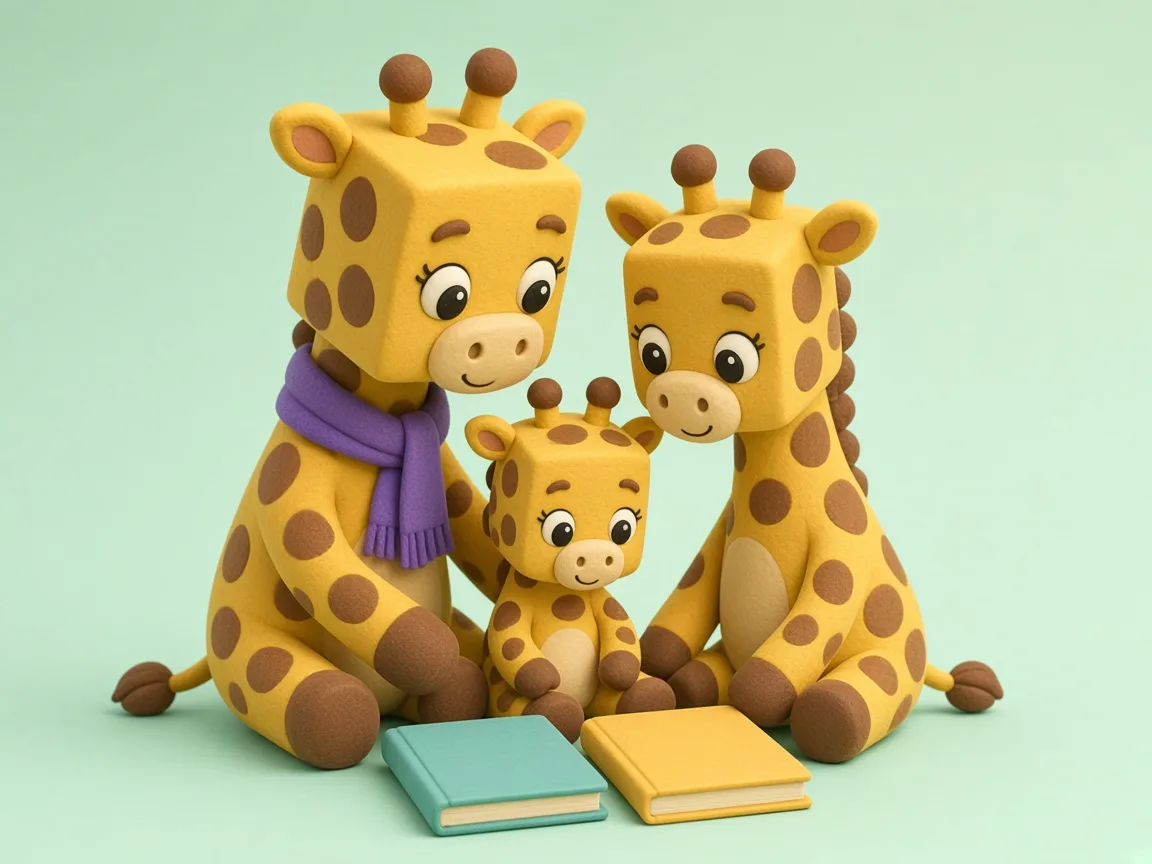
- Looking at a picture book together and naming what you see, in the language you choose.
- Singing a song or repeating a rhyme while getting dressed.
- Playing shop with real items from the kitchen.
- A guessing game in the car: "What can you see that is red?"
Respond to what your child says and make the sentence a little longer. If your child says "car go", you say: "Yes, the car goes fast!" This works in any language. You will find more playful ideas in language exercises at home.
What tends to work less well
A few habits often work against you:
- Correcting every mixed word. It takes the fun out of talking.
- Dropping a language out of fear of a delay. The bond with that language is then lost.
- Speaking a language you feel unsure in. Your child hears less rich language than when you speak your own.
- Comparing with a monolingual child. Every child has their own pace, and multilingual children have more to learn at once.
When can a speech therapist help?
Being multilingual is not in itself a reason for speech therapy. Still, you can have concerns about a multilingual child too. A useful signal is this: is your child hard to understand in every language they hear daily, even for people who know them well? Then it makes sense to have a speech therapist take a look.
Other reasons to get in touch:
- Your child uses hardly any words in one of their languages at an older age.
- Your child seems not to understand simple instructions.
- Your child gets frustrated because others cannot understand them.
- Your child loses language they used to have.
- You suspect a hearing problem.
Talk to your GP, a child health doctor or a speech therapist. Ask them to consider all of your child's languages, not only the school language. Only a professional can judge what is going on.
And LogiLand?
LogiLand is practice software with short, playful games. It does not diagnose and does not replace a speech therapist. At home, the games can help repeat what your child has already practised in therapy or at school. Keep it short and playful, and let your child go at their own pace.
Closing thought: two languages, one child
A multilingual child does not have to choose. With a predictable place for each language, short play moments and real attention to what your child says, language grows in both directions. If you have doubts about your child's speech or language, in any language, ask a speech therapist to look. Looking early brings peace of mind.
Better practice with clients?
LogiLand is developing a fun app that makes speech therapy exercises more fun. You assign them, the child practises at home, you see the progress.
Request access