Language Exercises at Home: Words, Sentences and Taking Turns
Language is more than speech sounds. A child needs to know words, put them into sentences and keep a conversation going. You can support that with short language exercises at home that fit into an ordinary day. You do not need any materials, only a few minutes and a child who feels like joining in.
This article is about language: words, sentences and taking turns. If you want to work on single sounds, such as s, k or r, the drills are in 10 practical speech therapy exercises for parents. We do not repeat them here.
What are language exercises?
A language exercise is a short, playful activity in which your child hears, understands and uses words. Think of naming a picture, finishing a sentence or answering a question. The difference from a sound drill is that meaning comes first. Your child practises what a word means and how to use it.
A good language exercise is short, matches your child's level and feels like a game. Two sessions of five minutes a day work better than one half hour a week. For more background on practising at home in general, read speech therapy exercises at home.
Better practice with clients?
LogiLand is developing a fun app that makes speech therapy exercises more fun. You assign them, the child practises at home, you see the progress.
Request accessPractising with words
A rich vocabulary grows through repetition in a familiar setting. These ideas work well:
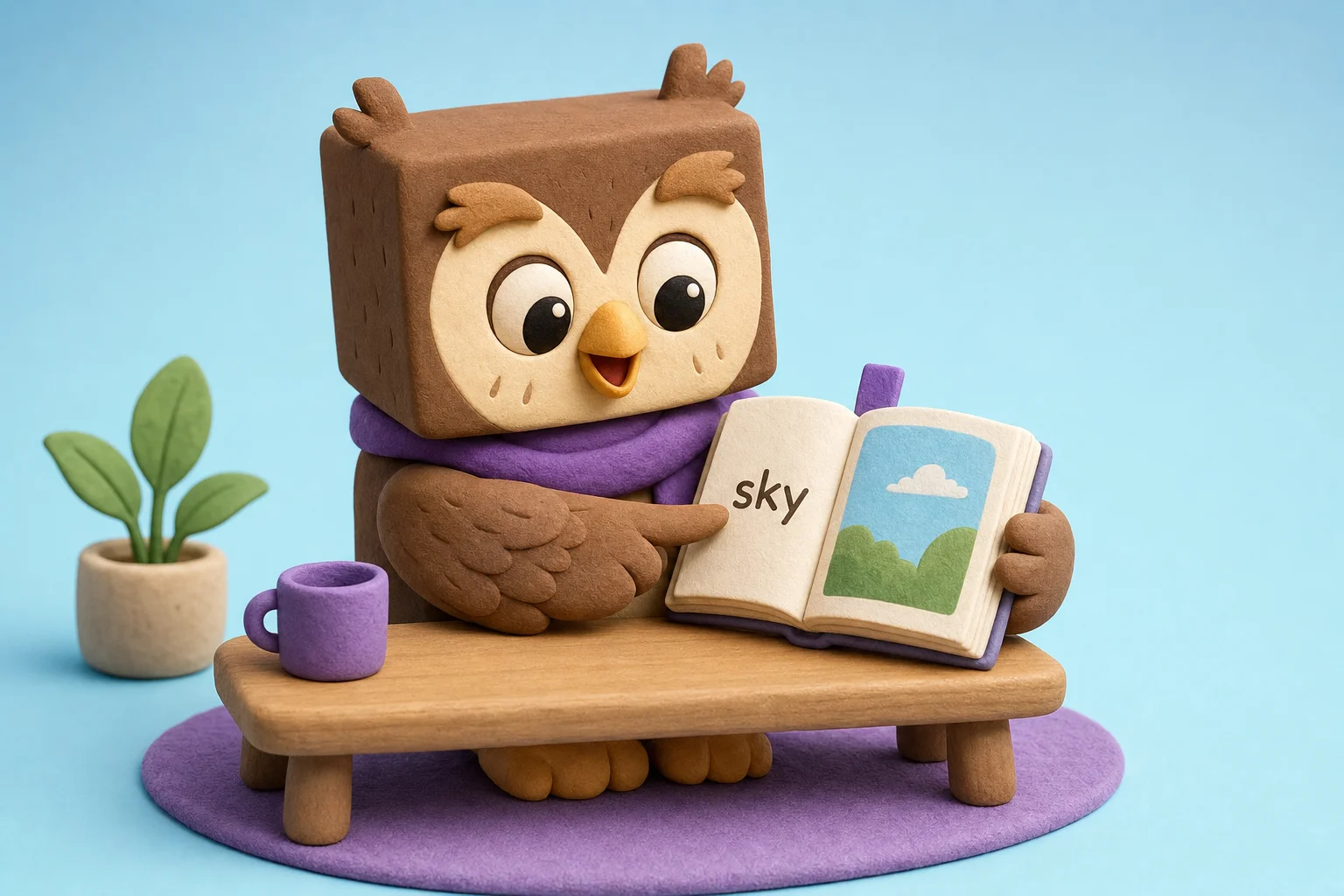
- Say what you are doing. "I am cutting the apple. Now I get a plate." Your child hears words at the moment they mean something.
- Sort into groups. Put toys into piles: animals, vehicles, food. Ask: "Where does the cow belong?"
- Find the opposite. Big and small, open and shut, hot and cold. You can use objects around the house.
- Guess the word. Describe something in the room without naming it: "It is soft, you lie on it and it is in the bedroom." Your child guesses the bed.
- Look at pictures. Browse a picture book together and ask about details: "Who is hiding behind the tree?"
Use a new word a few times over the next days in different situations. That is how it becomes your child's own.
Practising with sentences
Many children move from single words to short sentences and then to longer ones. You can help by expanding what your child says.
- Expand. If your child says "dog run", you say: "Yes, the dog is running fast through the grass." You model the full sentence and keep the mood light.
- Finish the sentence. Start a sentence and let your child think of the ending: "When it rains, then ..." or "I feel happy when ...".
- Tell what happens. Look at a picture or photo and ask your child to say in one sentence what they see. Then ask: "And what happens next?"
- Use "because". Ask questions like "Why are you wearing a coat?" The answer calls for a longer sentence.
- Play with order. Tell a story in three steps and let your child retell it: first, then, finally.
Give your child time. A pause of a few seconds feels long to you. For your child it is thinking time.
Taking turns in conversation
A conversation takes listening, waiting and responding. You can practise this calmly at home.
Turn-taking games. In a board game, a memory game or role play with puppets, everyone knows when it is their turn. Say it out loud: "Now you, then me."
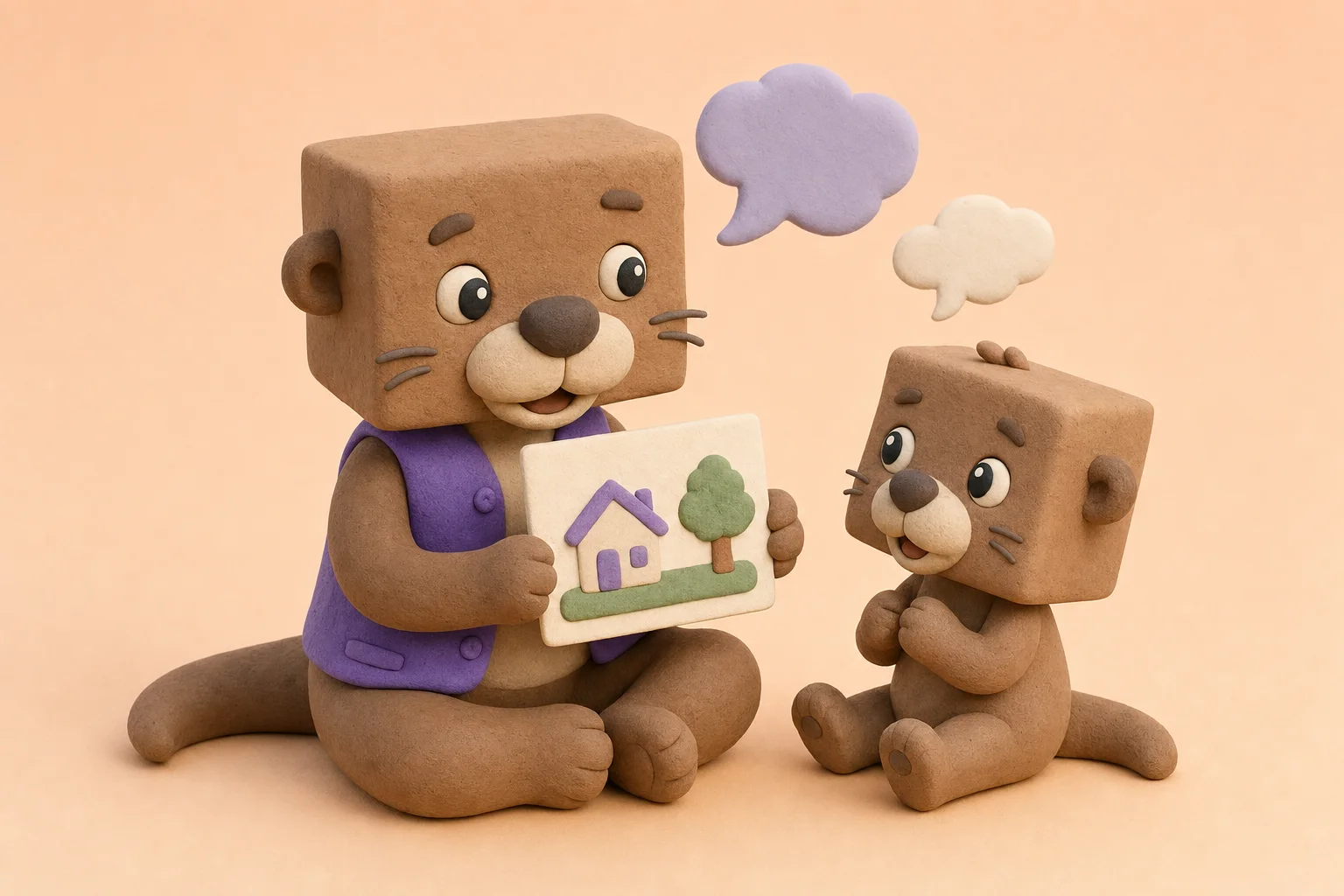
Question and answer. Ask a question, wait for the answer and ask one more. Let your child ask you questions too. That shows a conversation goes both ways.
Play phones. Use two toy phones or just a hand held to the ear. Your child tells you something, you respond and ask a question back.
Day review. At bedtime, ask: "What was the best part of today?" Then follow up: "Who did you play with?" One or two questions is enough.
Watch the pace. Rapid follow-up questions leave your child little room. Wait, look and let the conversation unfold.
Fit language exercises into your day
You do not need a separate practice slot. There are plenty of moments already:
- At the table: describe what is on the plate and let your child choose using a full sentence.
- In the car: name what you see and play "I spy".
- When tidying up: give a two step instruction: "Get the blocks and put them in the box."
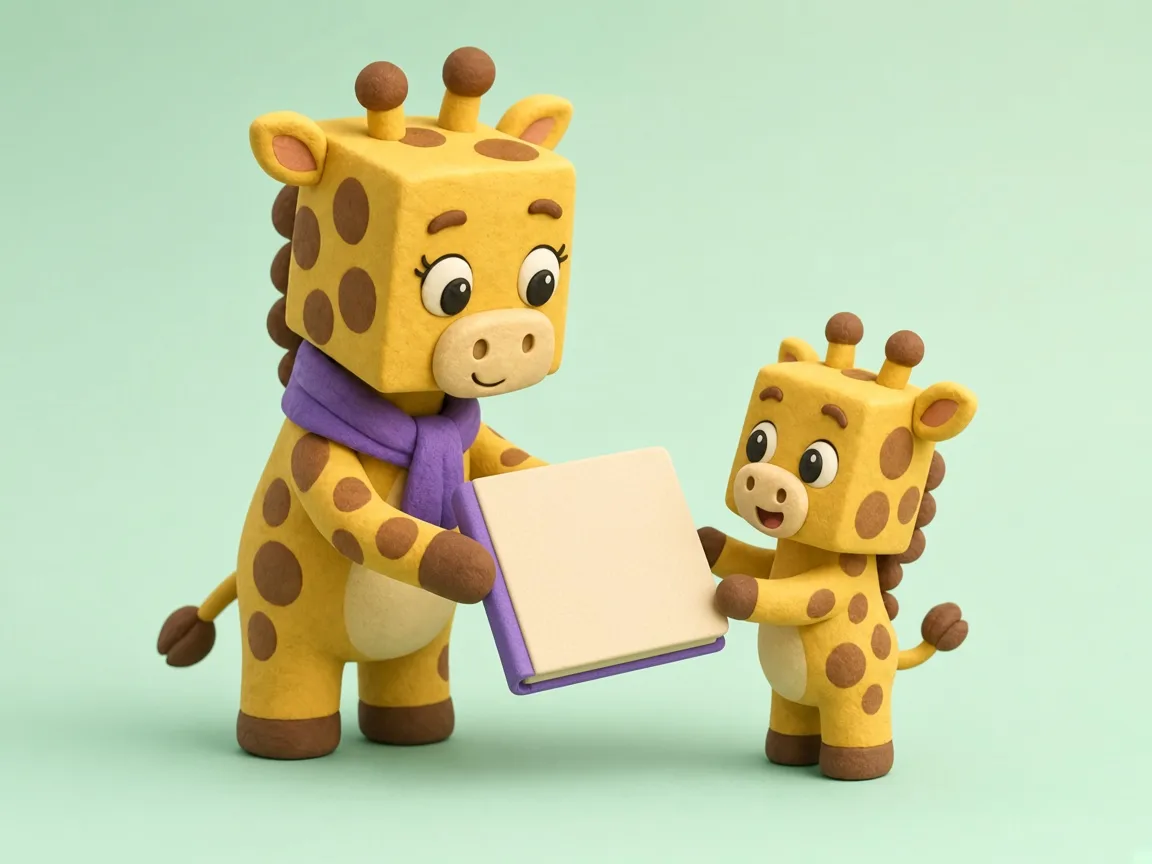
- When reading: stop at a picture and ask what happens next.
Pick one or two of these moments per week and stick with them. That is easier to keep up than everything at once.
When extra help makes sense
Every child learns language at their own pace. Sometimes language development lags behind peers. It can show in few words, short sentences or trouble understanding what someone says. Read more about what a language delay is and what to look out for.
If you have concerns, talk to your GP, your child health clinic or a speech therapist. Practising at home adds to assessment and support. It does not replace them.
Practising with LogiLand
LogiLand is practice software for children. The free exercises offer games with words and sounds that you can do together with your child on a tablet or phone. Think of it as repetition between other moments. LogiLand is not treatment and not an electronic patient record. A speech therapist decides what your child needs.
In short
- Language exercises are about words, sentences and conversation.
- Keep it short, playful and at your child's level.
- Expand what your child says and leave room to answer.
- Practise taking turns with games and questions.
- For single sounds, use the practical exercises.
- If you are worried, ask a professional to look along with you.
Better practice with clients?
LogiLand is developing a fun app that makes speech therapy exercises more fun. You assign them, the child practises at home, you see the progress.
Request access